

Climate and food from a global perspective
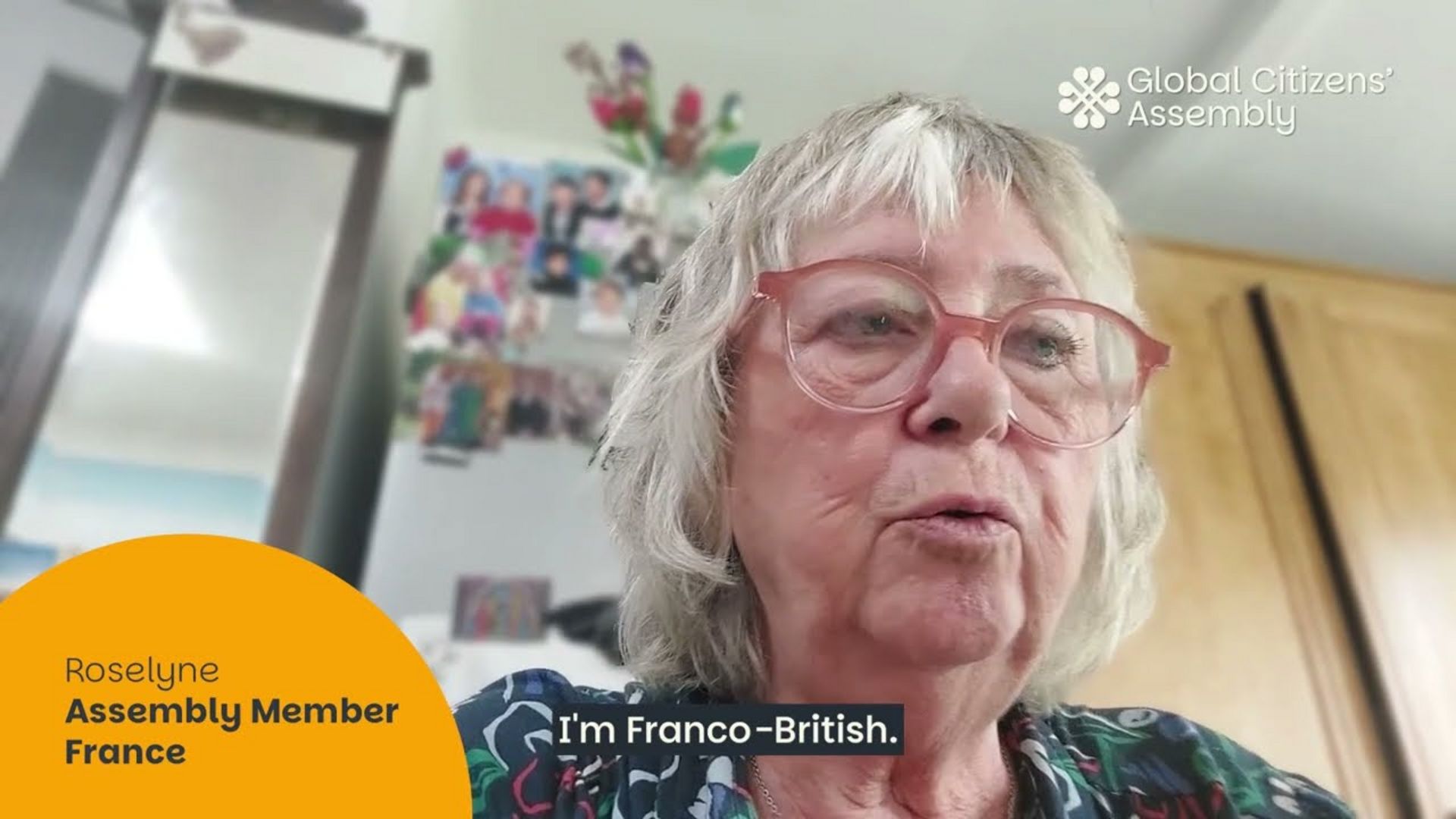
On 14 March 2026, a global Citizens’ Assembly on the future of the global food system concluded its work. 105 people from around the world deliberated on the future of food against the backdrop of climate change. Hearing from experts sharing their experiences and weighing up trade-offs they reached consensus on 22 calls to action.
The citizen proposals are intended as a roadmap of global public priorities for policy makers and reflect how everyday people from different cultural contexts and lived experiences identified what matters most, what feels fair, and what could realistically move forward.
The question answered by the Citizens' Assembly was: ‘What changes, if any, should we make to how we grow, share, and eat food, so that everyone has enough to nourish themselves, while tackling the causes and impacts of climate change?’
Directions of action
Four directions of action explore different dimensions of food systems transformation and identify strategic directions for action that emerged repeatedly across the Global Assembly on Food and Climate, local assemblies, wider participatory processes and expert review.
Food, climate and farming
Direction for action: Put farming communities at the centre of transition
Food system transformation is more likely to succeed where farmers and rural communities are active participants in shaping change, supported through fairer conditions, stronger local economies and long-term investment in resilience.
Food, climate and cities
Direction for action: Embed food, nature and participation into urban development
Cities are increasingly important spaces for climate action. Food systems, green spaces and citizen participation should be embedded within the way cities are planned, governed and developed.
Food, climate and identity
Direction for action: Recognise food as culture, rights and community knowledge
Food systems are not only economic systems. Protecting the right to food, strengthening community knowledge and supporting participatory governance can help ensure transitions are rooted in local realities, cultures and lived experience.
Food, climate and health
Direction for action: Connect health, food and environmental decision-making
Healthier and more resilient societies depend on healthier food systems. This requires closer integration between food, health and environmental policy, alongside greater public participation in decisions that affect wellbeing.
The Global Citizens' Assembly's Deep Dives and 22 calls to action were shared with journalists, scientists, policymakers and climate leaders throughout London Climate Action Week in June 2026.
Diverse composition
Unlike conventional international political processes, which are dominated by state actors and experts, the Global Civic Assembly recruited its members by random selection in order to achieve a diverse composition in terms of gender, age, education and other important characteristics.
In September 2025, the random selection took place to determine the locations from which the participants in the Civic Assembly would come. Using an algorithm, points were selected on the world map, weighted according to regional population size and adjusted so that regions threatened by climate change were slightly overrepresented.
105 members selected
Local partner organisations helped to find potential participants from these points. From this group of people, the 105 members of the Civic Assembly were selected at the beginning of January 2026. They were supported by local partners during the assembly process.
The members of the mini-public deliberated from 17 January to 14 March 2026 in 14 three-hour online sessions. Participants met in time zone-based working groups, which were professionally moderated.
Consideration of dilemmas
The Citizens' Assembly members considered important dilemmas related to global food systems and climate change. Based on careful consideration of the information conveyed in the assembly and on the basis of discussions among themselves, they developed recommendations for action on the topic.
The Global Civic Assembly is part of a broader ecosystem that also included self-organised community assemblies, which enabled broader political engagement at the local level.
Combining two formats
‘The combination of both formats is what makes the Global Citizens' Assembly so special: one format creates a global picture from many local images, while the other addresses global issues directly with a snapshot of the world's population,’ according to the Citizens' Assembly website.
The recommendations of the Civic Assembly and the results of the local assemblies are intended to ‘send a clear signal to people and institutions at all levels to take the decisions and actions necessary to maintain a healthy planet and feed all the people who live on it.’
Alliance for global citizen participation
The Global Citizens' Assembly on Climate Change and Food was organised by the Coalition for a Global Citizens' Assembly. The coalition is a diverse alliance of governments, organisations and civil society actors committed to giving citizens a permanent voice in global decision-making processes.
The Citizens' Assembly built on the momentum of previous global citizens' assemblies, including pilot projects at climate conferences and the broader movement for permanent global civic engagement. The first global climate citizens' assembly had already taken place in 2021.
Important innovation in global governance
Proponents see such random assemblies as an important innovation in global governance, expanding participation beyond traditional diplomatic circles and creating a more inclusive approach to solving shared crises such as climate change.